A clear curriculum for figurines, stone surfaces, and durable finishes
This course is organized like a real studio workflow: plan, build, prepare, finish, and seal. You will practice the same checkpoints across different materials so your results stay consistent under bright light and everyday handling.
Terminology you will learn includes grit progression, raking light inspection, surface tooth, undercuts, and compatibility testing for sealers and waxes.
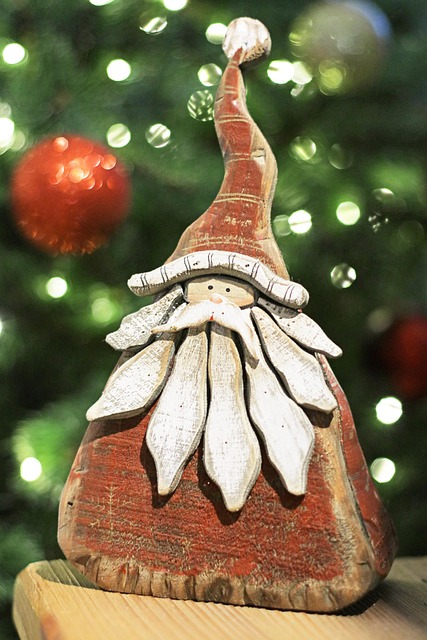
Learn how scratches, pinholes, and uneven sheen show up before you commit to paint and sealer.
What is included in the course
The curriculum is designed around the parts of figurine and stone work that are hardest to self-teach: planning a clean silhouette, controlling tool marks, preparing surfaces so finishes behave, and building a finish stack that does not cloud, peel, or turn sticky. Each module gives you a short demonstration, a materials checklist, and a bench-level routine you can repeat. The emphasis is not on copying one “signature style,” but on learning a workflow that adapts to different clays, fillers, stones, primers, pigments, waxes, and sealers.
You will also learn practical troubleshooting. When a primer looks gritty, you will know whether the cause is dust, over-sanding, or incompatible coats. When a wax dulls the color, you will know what to change in your underpainting and cure time. These are unglamorous skills, but they are what makes a piece look deliberate on a shelf.
Sculpting foundations
Learn blocking-in, plane changes, and clean transitions. You will practice building readable forms that survive priming and paint without losing edges and detail.
- Silhouette checks and proportional landmarks
- Undercuts, edge control, and surface compression
- Curing, handling, and stable bases
Stone crafting workflow
Learn grit progression, dust routines, and burnishing. You will practice reading the scratch pattern and choosing sealers that match the final sheen.
Finishing methods
Practice primers, underpainting, glazing, dry brushing, patina washes, and sealing. Learn how to keep texture visible while controlling shine.
Design principles for small objects
Learn hierarchy, rhythm, negative space, and focal points. Use quick thumbnails and value checks so details support the piece instead of competing with each other.
Quality checkpoints
Use simple tests for adhesion, dust control, sheen consistency, and cure timing. This reduces rework before the final coat.
Studio safety basics
Learn ventilation, dust handling, glove selection, and safe storage for pigments and sealers, with habits that fit a small workspace.
Materials and tools are taught by function
Instead of recommending one brand or one “magic product,” the course explains what each tool and material does: why a primer needs tooth, what a glaze changes, when wax is helpful, and how sealers differ in hardness and sheen. This helps you adapt the workflow to what you can source locally.
A paced practice plan
The modules are designed to be revisited. You can run the same “surface prep and finish” sequence on multiple pieces, logging cure times and coat order. That repetition is where the confidence shows up: fewer surprises when the final coat goes on.
How the modules fit together
A decorative piece improves fastest when the workflow stays consistent. The course repeats four core checkpoints across projects: plan the silhouette, refine the form, prepare the surface, then apply finish layers with compatibility checks. You will hear the same terms used the same way in every module—surface tooth, raking light, grit progression, and cure windows—so you can diagnose issues without guessing. The steps below describe the typical order most learners follow when starting from scratch.
Start with a thumbnail sketch and a finish intention. You will set a single focal point and choose a surface direction: matte stone, satin glaze, or layered patina with controlled highlights.
Block-in volumes and refine planes. You will practice tool angles that reduce chatter marks and improve edge integrity, especially around undercuts and small details.
Sand with intention using grit progression and dust removal between passes. You will learn how primer changes texture, and how raking light reveals scratch patterns before paint.
Apply paint and patina layers, then seal with compatibility checks. You will learn how to fix common defects like cloudiness, uneven sheen, and trapped dust without stripping the whole piece.
Checklists you can reuse
Each stage includes quick checks: scratch pattern uniformity, dust removal, adhesion points, and sheen consistency. The habit of checking is what makes finishes predictable, especially when switching materials.
Clear guidance on safety and setup
The course includes practical notes on dust control, ventilation, and storage for sealers and pigments. This supports a calm workflow and reduces accidental contamination between coats.
Register your learning goals
Send your goals and materials you want to work with. We will reply with a recommended starting path and a short checklist to prepare your workspace. We do not request phone numbers in the registration form.
Disclaimer
Educational content only. Creative Sculpture Academy does not provide professional certification, and nothing on this site should be considered legal, financial, or business advice.
Read Terms of Service